Low Calorie Squash Soup
Highlighted under: Light & Balanced
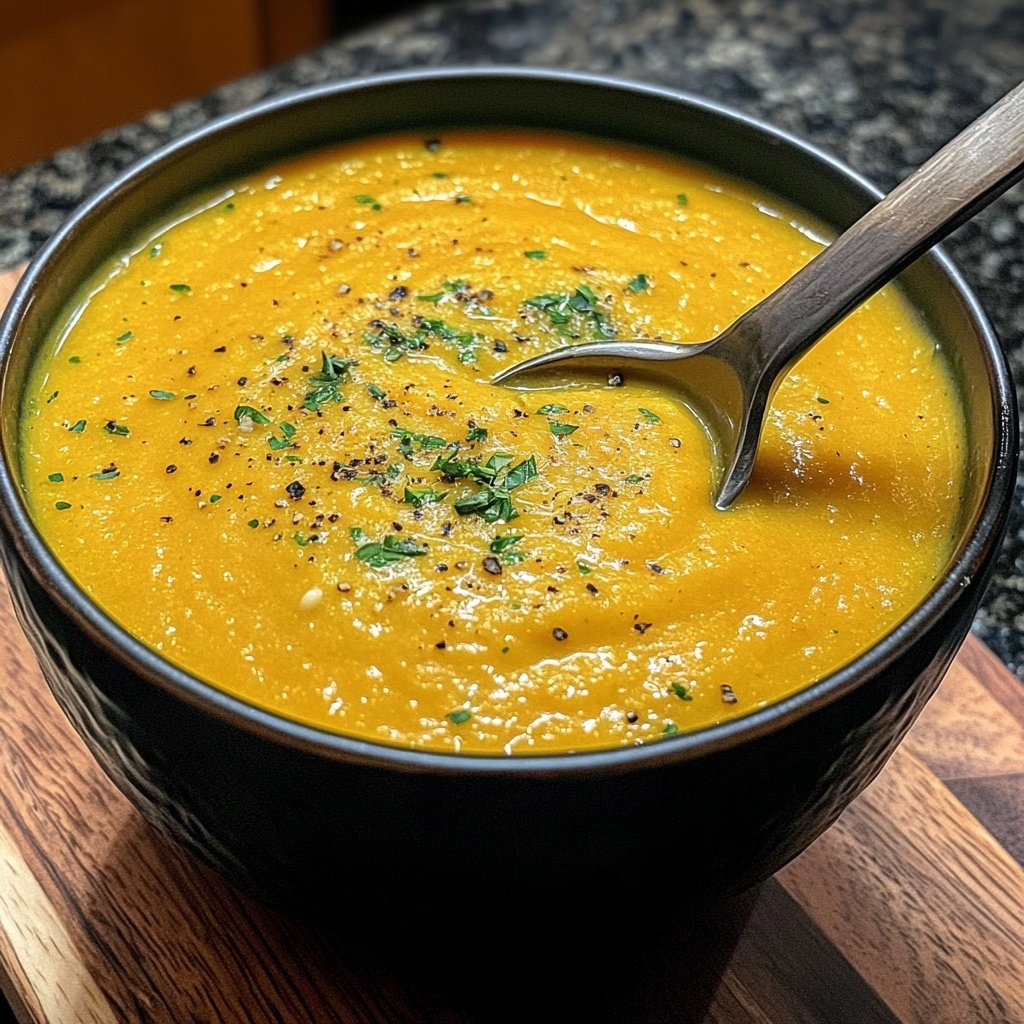
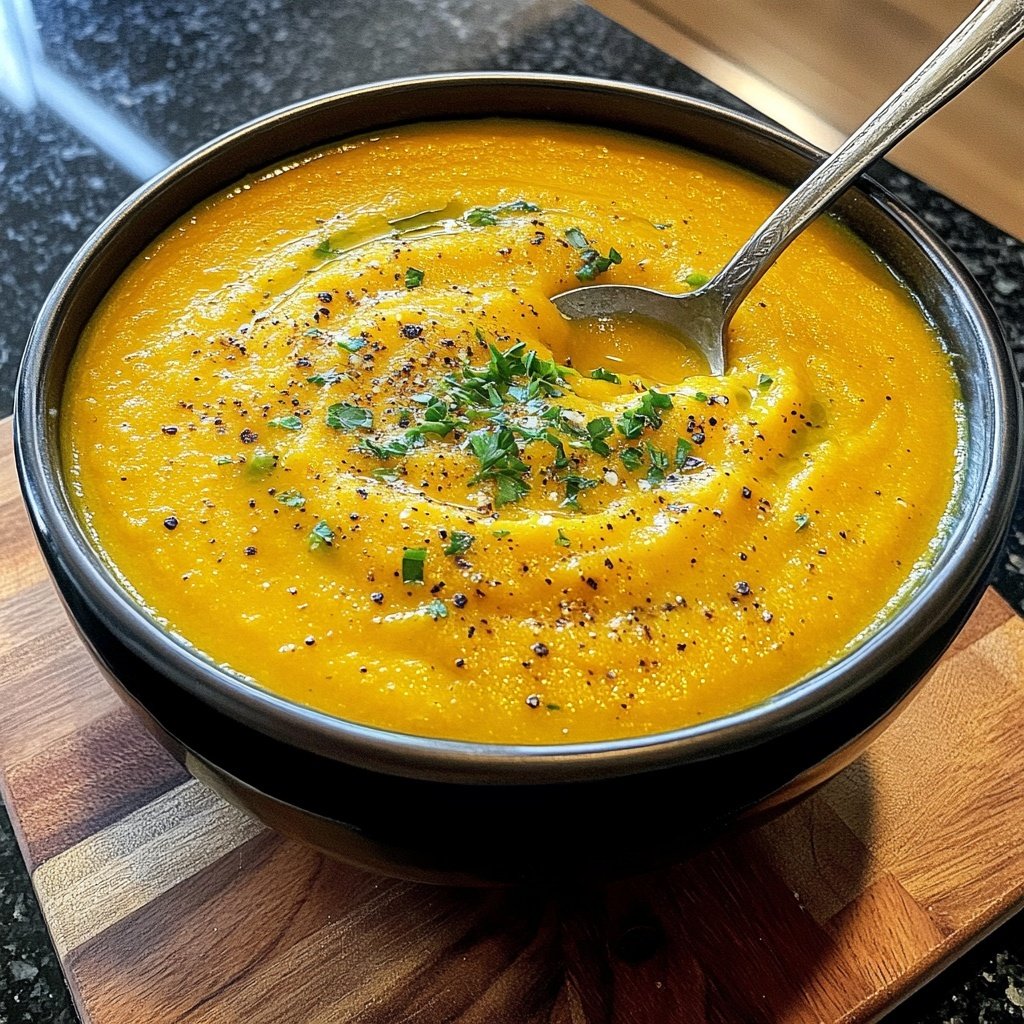
Enjoy a creamy, delicious soup that won't weigh you down. This low calorie squash soup is perfect for a light meal or as a comforting starter.
This low calorie squash soup is not just healthy but also packed with flavor. Perfect for a chilly day, it combines the sweetness of squash with aromatic spices, creating a dish that is both comforting and nutritious.
Why You Will Love This Recipe
- Rich and creamy texture without the extra calories
- Packed with vitamins and nutrients from fresh squash
- Easy to make and perfect for meal prep
- Versatile – can be enjoyed hot or cold
The Health Benefits of Squash
Butternut squash is not only delicious but also packed with health benefits. This vibrant vegetable is rich in vitamins A and C, which are essential for maintaining healthy skin and supporting your immune system. These vitamins act as antioxidants, helping to protect your cells from damage caused by free radicals. Additionally, its high fiber content aids in digestion and promotes a feeling of fullness, making it an excellent choice for those watching their weight.
With its natural sweetness and creamy texture, butternut squash can satisfy your cravings without the added calories found in many creamy soups. Incorporating this nutritious ingredient into your diet can help you maintain a balanced lifestyle while enjoying flavorful meals. Plus, it’s low in calories, allowing you to indulge in a hearty bowl of soup without guilt.
Perfect for Meal Prep
This low calorie squash soup is an ideal option for meal prepping due to its easy preparation and excellent storage capabilities. You can make a big batch at the beginning of the week, and it stores well in the refrigerator for up to five days. Simply reheat portions as needed, making it a convenient choice for busy weeknight dinners or quick lunches.
Not only does this soup freeze beautifully, but it also retains its rich flavor and creamy texture even after thawing. Portion out servings in airtight containers, and you’ll have a healthy meal option ready to go whenever hunger strikes. This not only saves you time but also helps you stick to your healthy eating goals.
Serving Suggestions
While this squash soup is delicious on its own, you can easily elevate it with additional toppings. Consider adding a dollop of Greek yogurt or a sprinkle of feta cheese for a creamy contrast. Toasted pumpkin seeds or croutons can provide a satisfying crunch, while a drizzle of balsamic reduction can add a touch of sophistication.
If you’re looking for a heartier meal, pair the soup with a fresh salad or a slice of whole-grain bread. The versatility of this dish allows you to customize it to your liking, making it suitable for any occasion, whether it’s a cozy family dinner or an elegant dinner party.
Ingredients
Gather the following ingredients to prepare your low calorie squash soup:
Ingredients
- 2 medium-sized butternut squash, peeled and diced
- 1 onion, chopped
- 2 garlic cloves, minced
- 4 cups vegetable broth
- 1 teaspoon ground cumin
- 1 teaspoon ground ginger
- Salt and pepper to taste
- 1 tablespoon olive oil
- 2 tablespoons fresh cilantro for garnish
Once you have all your ingredients ready, you can start making the soup.
Instructions
Follow these steps to create a delicious low calorie squash soup:
Sauté the Vegetables
In a large pot, heat the olive oil over medium heat. Add the chopped onion and minced garlic, cooking until the onion is translucent, about 5 minutes.
Add Squash and Spices
Add the diced butternut squash, ground cumin, and ground ginger to the pot. Stir well to combine.
Pour in Broth
Pour in the vegetable broth and bring the mixture to a boil. Reduce heat and let it simmer for about 20 minutes, or until the squash is tender.
Blend the Soup
Using an immersion blender, purée the soup until smooth. If you don't have an immersion blender, carefully transfer the soup to a blender in batches.
Season and Serve
Season with salt and pepper to taste. Serve hot, garnished with fresh cilantro.
Your low calorie squash soup is now ready to be enjoyed!
Pro Tips
- For added flavor, try adding a splash of coconut milk or a hint of nutmeg before blending the soup.
Tips for Perfecting Your Soup
To enhance the flavor of your low calorie squash soup, try roasting the diced butternut squash before adding it to the pot. Roasting caramelizes the natural sugars in the squash, imparting a deeper, richer flavor to the soup. Simply toss the squash with a bit of olive oil, salt, and pepper, and roast at 400°F for about 25 minutes before proceeding with the recipe.
Additionally, feel free to experiment with spices to suit your palate. Adding a pinch of cayenne pepper can provide a subtle heat, while a dash of nutmeg can introduce a warm, earthy flavor that complements the squash beautifully.
Storage and Reheating
Once your low calorie squash soup has cooled, transfer it to airtight containers for storage. It will stay fresh in the refrigerator for up to five days. If you wish to store it for a longer period, consider freezing the soup. It can be frozen for up to three months. Just be sure to leave some space in the container, as the soup will expand when frozen.
When you’re ready to enjoy your soup again, reheat it gently on the stovetop over low heat, stirring occasionally. If the soup appears too thick after reheating, simply add a splash of vegetable broth or water to reach your desired consistency.
Nutritional Information
This low calorie squash soup is not just a treat for your taste buds but also a nutritious option for your meal plan. One serving typically contains fewer than 150 calories, making it a guilt-free choice for lunch or dinner. It is also high in fiber, which supports digestive health and can keep you feeling full longer.
In addition to low calories, the soup is a good source of vitamins and minerals, including potassium and magnesium. These nutrients are vital for maintaining healthy muscle and nerve function. Enjoying this soup regularly can help you meet your daily nutritional needs while keeping your calorie intake in check.
Questions About Recipes
→ Can I use other types of squash?
Yes, you can substitute butternut squash with other varieties like acorn or pumpkin.
→ How can I store leftovers?
Store the soup in an airtight container in the refrigerator for up to 4 days.
→ Can this soup be frozen?
Absolutely! Freeze the soup in individual portions for easy meals later.
→ What can I serve with this soup?
This soup pairs well with whole grain bread or a fresh salad.
Low Calorie Squash Soup
Created by: Aubrey Whitman
Recipe Type: Light & Balanced
Skill Level: Beginner
Final Quantity: 4 servings
What You'll Need
Ingredients
- 2 medium-sized butternut squash, peeled and diced
- 1 onion, chopped
- 2 garlic cloves, minced
- 4 cups vegetable broth
- 1 teaspoon ground cumin
- 1 teaspoon ground ginger
- Salt and pepper to taste
- 1 tablespoon olive oil
- 2 tablespoons fresh cilantro for garnish
How-To Steps
In a large pot, heat the olive oil over medium heat. Add the chopped onion and minced garlic, cooking until the onion is translucent, about 5 minutes.
Add the diced butternut squash, ground cumin, and ground ginger to the pot. Stir well to combine.
Pour in the vegetable broth and bring the mixture to a boil. Reduce heat and let it simmer for about 20 minutes, or until the squash is tender.
Using an immersion blender, purée the soup until smooth. If you don't have an immersion blender, carefully transfer the soup to a blender in batches.
Season with salt and pepper to taste. Serve hot, garnished with fresh cilantro.
Extra Tips
- For added flavor, try adding a splash of coconut milk or a hint of nutmeg before blending the soup.
Nutritional Breakdown (Per Serving)
- Calories: 150 kcal
- Total Fat: 5g
- Saturated Fat: 1g
- Cholesterol: 0mg
- Sodium: 600mg
- Total Carbohydrates: 25g
- Dietary Fiber: 4g
- Sugars: 6g
- Protein: 3g